
Wiring Diagram for Cars
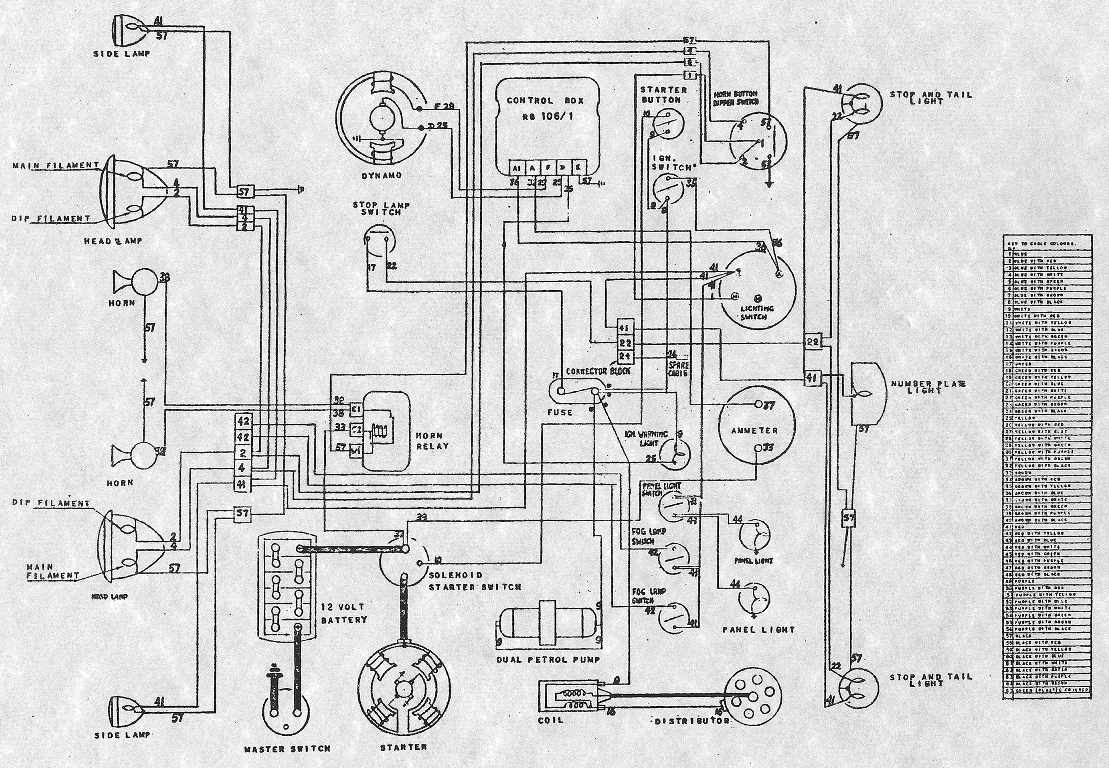
A car wiring diagram is a visual map that shows how electrical components in a vehicle are connected. Modern cars rely heavily on electronics—from headlights and ignition systems to sensors, ECUs, and infotainment units. Understanding a wiring diagram helps you diagnose faults, install accessories, and safely modify your vehicle’s electrical system.
Whether you're troubleshooting a dead headlight or installing a new stereo, a wiring diagram is your most powerful tool.
What Is a Car Wiring Diagram?
A car wiring diagram is a schematic representation of:
- Power sources
- Ground points
- Switches
- Relays
- Sensors
- Control modules
- Connectors
- Fuses and fusible links
It shows how electricity flows through the vehicle and how each component interacts.
Learn more:
- automotive electrical basics
- how to read wiring schematics
Why Wiring Diagrams Matter
A proper wiring diagram helps you:
- Diagnose electrical problems
- Track down blown fuses
- Identify broken wires
- Install aftermarket accessories
- Understand ECU and sensor connections
- Avoid short circuits and fire hazards
Without a diagram, electrical troubleshooting becomes guesswork.
Key Symbols in Car Wiring Diagrams
Understanding symbols is the first step to reading any automotive schematic.
Common Symbols
- Battery — power source
- Ground (GND) — return path
- Switch — open/close circuit
- Relay — electrically controlled switch
- Fuse — overcurrent protection
- Resistor — limits current
- Diode — one‑way current flow
- Connector — plug/junction point
Explore:
- automotive wiring symbols
Basic Car Wiring Flow (Text Diagram)
Battery (+)
   |
   |---- Fuse Box ----> Switch ----> Load (Light, Motor, ECU)
   |
Ground (–) <-----------------------------------------------+
This simple pattern repeats throughout the entire vehicle.
Common Automotive Wiring Systems
1. Lighting System
Includes:
- Headlights
- Tail lights
- Brake lights
- Turn signals
Often uses relays to reduce switch load.
2. Ignition System
Contains:
- Ignition switch
- Starter relay
- Starter motor
- ECU/ignition coil
Explore:
- ignition wiring basics
3. Charging System
Includes:
- Alternator
- Voltage regulator
- Battery
A wiring diagram helps diagnose charging failures.
4. ECU and Sensor Wiring
Modern cars use CAN‑bus networks and multiple control modules.
Learn more:
- CAN bus explained
How to Read a Car Wiring Diagram
1. Start at the Power Source
Trace from the battery → fuse → switch → load.
2. Follow Wire Colors
Manufacturers use color codes like:
- Red = power
- Black = ground
- Yellow = ignition
- Blue = accessories
3. Identify Connectors
Each connector has pin numbers that match the diagram.
4. Check Grounds
Many electrical issues come from poor grounding.
Explore:
- automotive ground troubleshooting
Troubleshooting With a Wiring Diagram
A wiring diagram helps you:
- Locate the exact fuse for a circuit
- Check continuity between connectors
- Identify broken or corroded wires
- Test relays and switches
- Verify sensor signals
Example Troubleshooting Flow
Problem: Headlight not working
1. Check fuse → OK
2. Check headlight relay → OK
3. Check switch → OK
4. Check ground → Fault found
Aftermarket Installations Using Wiring Diagrams
Wiring diagrams are essential when installing:
- Car stereos
- Dash cams
- LED light bars
- GPS trackers
- Alarm systems
- Reverse cameras
Explore:
- car stereo wiring guide
- dash cam installation wiring
Safety Tips for Car Wiring
- Disconnect the battery before working
- Use proper fuses for all accessories
- Avoid tapping into critical ECU wires
- Use heat‑shrink tubing, not tape
- Secure wires away from heat and moving parts
Learn more:
- automotive wiring safety
Final Thoughts
A wiring diagram for cars is more than a technical drawing—it’s a roadmap to understanding your vehicle’s electrical system. Whether you're diagnosing a fault, installing new equipment, or learning automotive electronics, mastering wiring diagrams will save time, prevent mistakes, and make you a more confident DIY mechanic.


