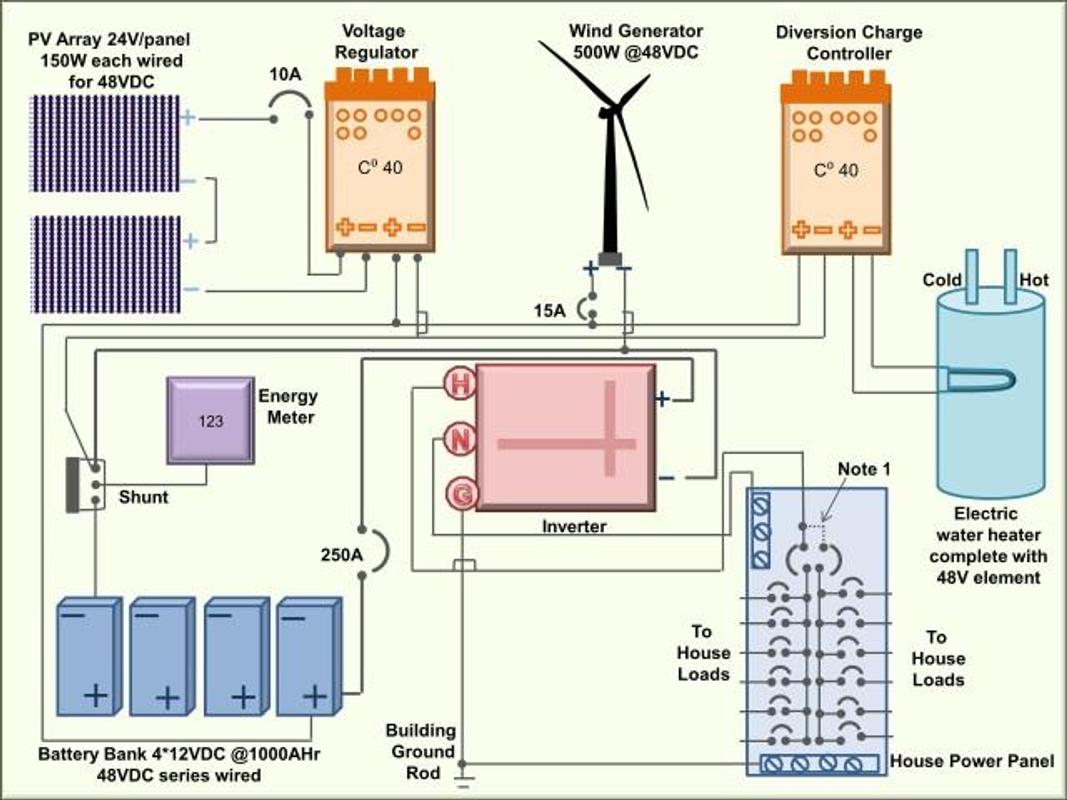
Wind Turbine and Solar Panel Wiring Diagram
Combining wind and solar power is one of the smartest ways to build a reliable off‑grid or backup energy system. Solar panels produce power during the day, while wind turbines often generate energy at night or during storms. A proper wiring diagram ensures both systems work together safely, efficiently, and without damaging your batteries or charge controllers.
This guide breaks down everything you need to know—from wiring basics to installation tutorials and RV‑ready diagrams.
1. How to Tote Up Wind Turbine and Solar Panels Wiring
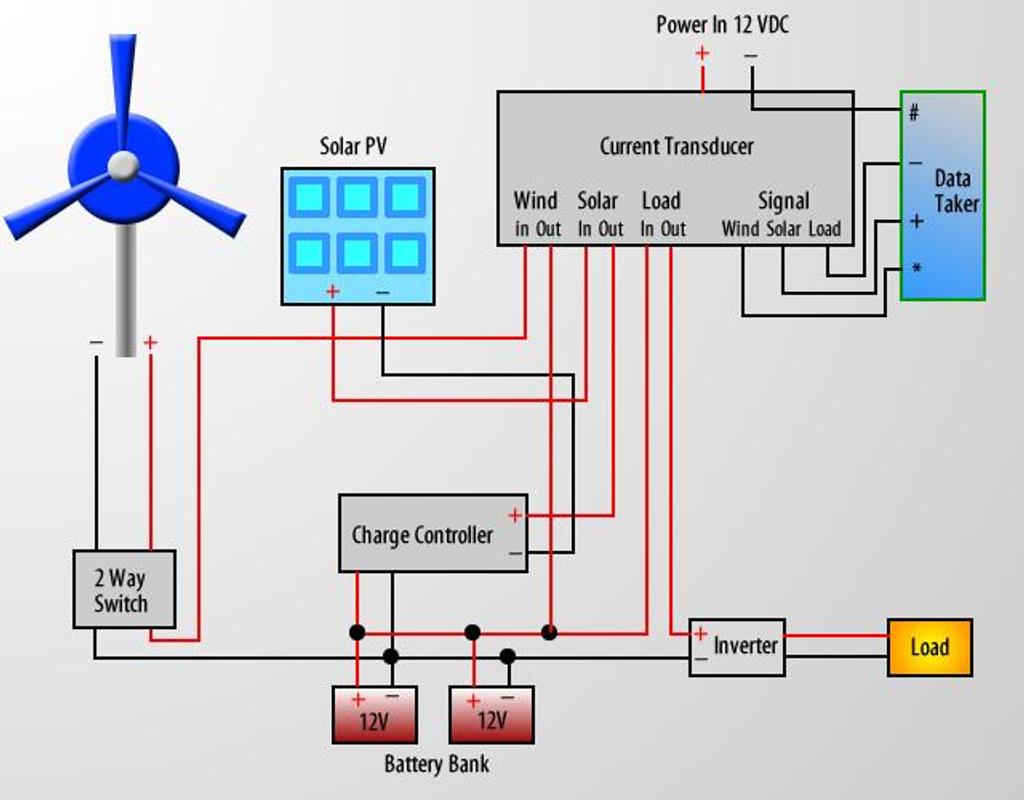
Integrating wind and solar into a single hybrid system requires a clear understanding of how each source connects to the battery bank. The key principle is simple:
Wind and solar must NEVER be wired directly together.
They must each pass through their own charge controller.
Basic Hybrid Wiring Flow
Wind Turbine → Wind Charge Controller → Battery Bank
Solar Panels → Solar Charge Controller → Battery Bank
Why Separate Controllers Are Required
- Wind turbines need dump load controllers to prevent overspeed
- Solar panels need PWM or MPPT controllers for voltage regulation
- Combining them directly can cause backfeeding and equipment damage
Explore more:
- Hybrid wind‑solar system basics
- Wind turbine safety rules
2. Charge Controller Wiring Diagram for DIY Wind Turbine or Solar
Charge controllers regulate voltage and current before they reach the battery. Wiring varies slightly between wind and solar controllers.
Solar Charge Controller Wiring
Solar Panel (+/–)
        ↓
Solar Charge Controller (PV Input)
        ↓
Battery (+/–)
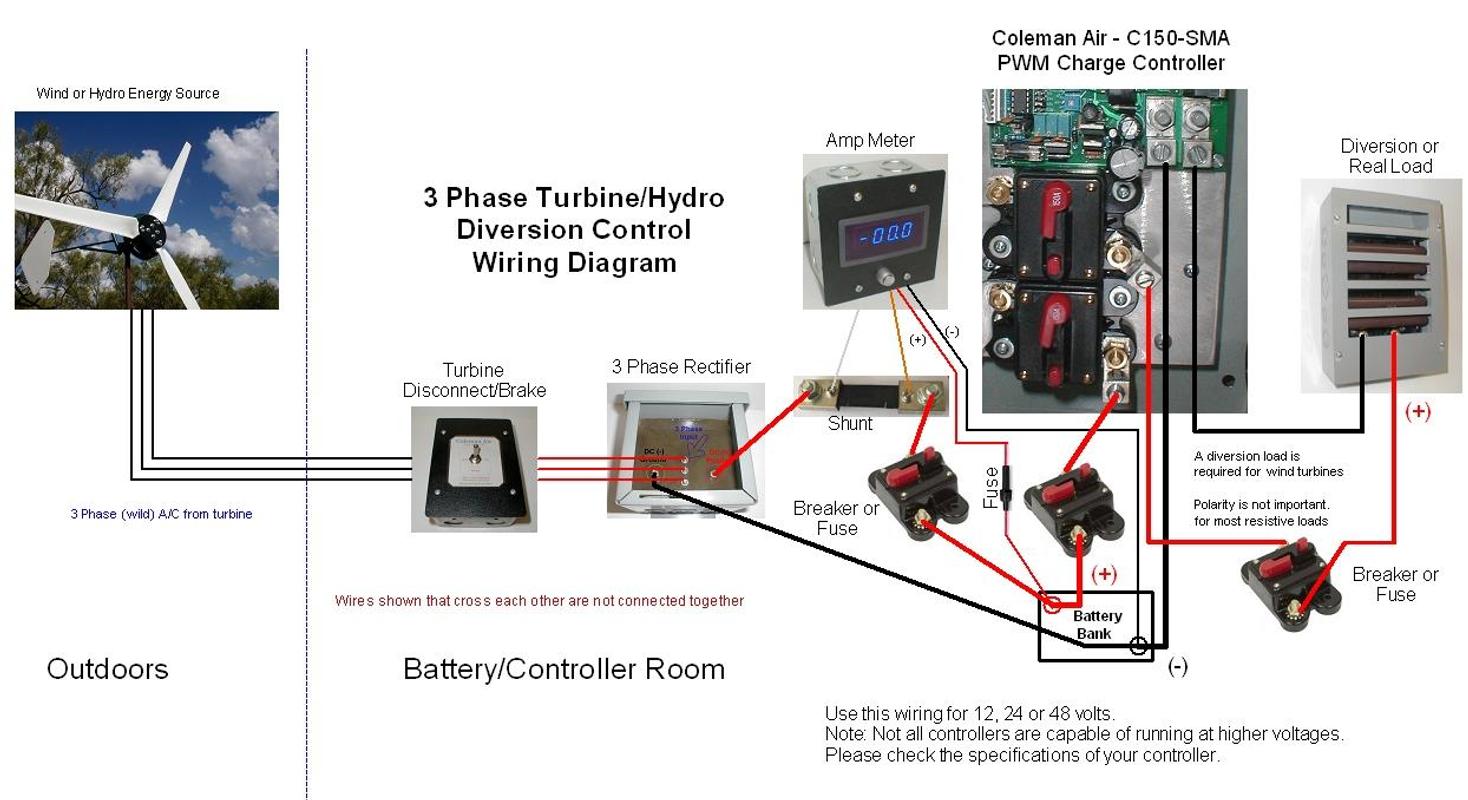
Wind Turbine Charge Controller Wiring
Wind Turbine AC Output
        ↓
Rectifier (AC → DC)
        ↓
Wind Charge Controller
        ↓
Battery Bank
        ↓
Dump Load (Automatic)
Important Notes
- Wind controllers MUST include a dump load
- Solar controllers DO NOT use dump loads
- Never connect a wind turbine to a solar controller
Learn more:
- MPPT vs PWM controllers
- Wind turbine dump load wiring
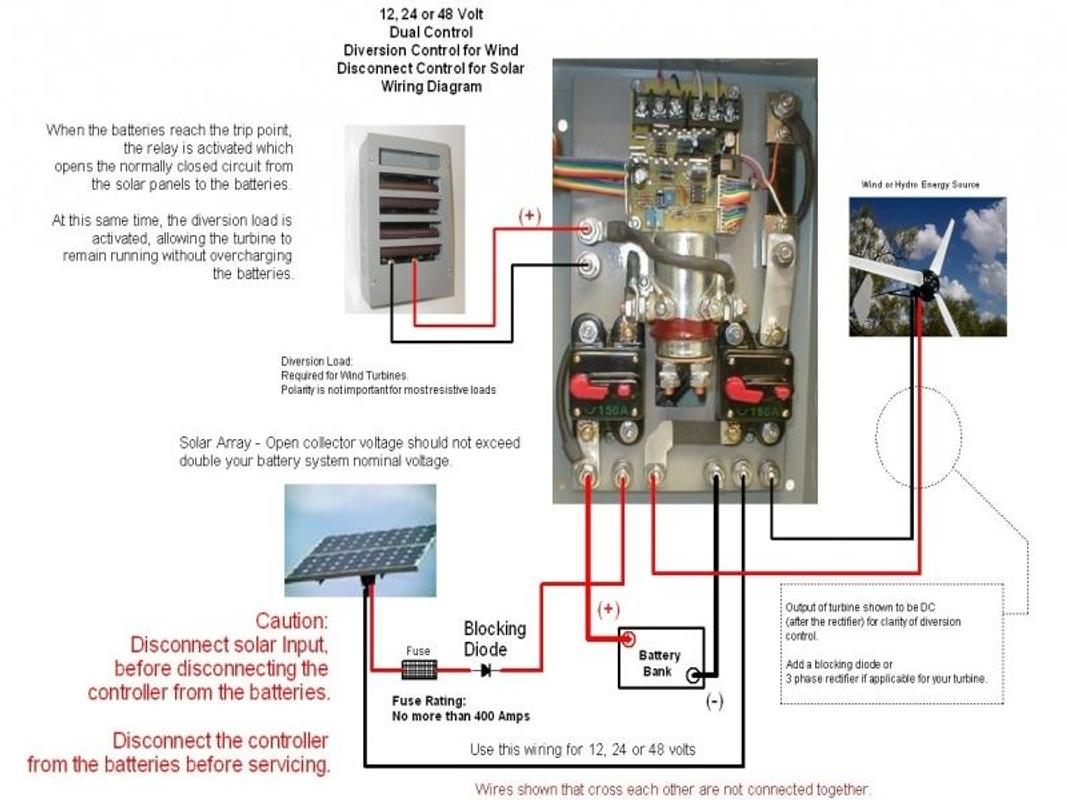
3. How to Hook a Wind Turbine and Solar to Battery
Connecting both systems to a battery bank is straightforward once each has its own controller.
Correct Battery Wiring Method
Wind Controller (+/–) → Battery Bank
Solar Controller (+/–) → Battery Bank
Battery Bank Options
- 12V (small systems, RVs, cabins)
- 24V (medium systems, efficient wiring)
- 48V (large off‑grid homes)
Safety Tips
- Use proper wire gauge (4 AWG–10 AWG depending on current)
- Install fuses or breakers between controllers and batteries
- Ensure correct polarity to avoid controller damage
Explore:
- Battery bank wiring
- Off‑grid battery safety
4. Quickly Rule the Perfect Solar Panel Wiring Diagram You Need
Choosing the right wiring diagram depends on your system voltage and panel configuration.
Common Solar Wiring Types
- Series Wiring — increases voltage
- Parallel Wiring — increases amperage
- Series‑Parallel — balances both
Which Diagram Do You Need?
- 12V battery → panels often wired parallel
- 24V battery → panels wired series or series‑parallel
- MPPT controller → series wiring preferred
- PWM controller → parallel wiring preferred
Explore:
- Series vs parallel solar wiring
- Choosing the right solar diagram
5. Solar Panel Wiring Diagram and Installation Tutorials
A proper installation includes:
- Panels
- Mounting hardware
- Charge controller
- Battery bank
- Inverter (optional)
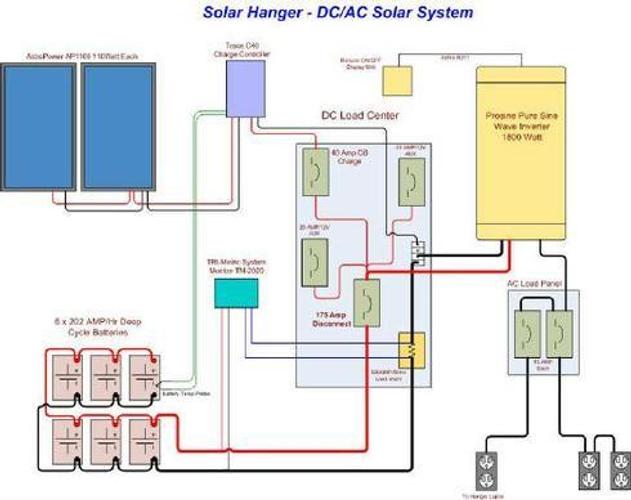
Standard Solar Installation Wiring
Solar Panels → Combiner Box (optional)
        ↓
Charge Controller
        ↓
Battery Bank
        ↓
Inverter (AC Output)
Installation Tutorials You Should Follow
- Solar panel mounting guide
- Charge controller installation
- Inverter wiring basics
6. Solar Panel Calculator and DIY Wiring Diagrams for RV and Campers
RVs and campers require compact, efficient systems. A solar calculator helps determine:
- Panel wattage
- Battery size
- Charge controller type
- Wire gauge
Typical RV Solar Wiring Diagram
Solar Panels → Solar Controller → Battery → Inverter → AC Outlets
RV‑Specific Considerations
- Use flexible cables for vibration resistance
- Install fuses close to the battery
- Choose MPPT for shaded or partial‑sun conditions
Explore:
- RV solar calculator
- DIY camper wiring diagrams
Final Thoughts
A hybrid wind‑solar system is one of the most reliable ways to generate off‑grid power. With proper wiring diagrams, safe charge controller connections, and the right installation techniques, you can build a system that runs 24/7—day, night, and during storms.